

Gym benches are crucial equipment for commercial gyms, personal training studios, and home workout rooms. They support a wide variety of free-weight exercises, pressing actions, and strength routines. From a multipurpose adjustable bench to a dedicated flat bench, incline bench, decline bench, or Olympic bench, each design serves a distinct training purpose.
Explore Different Types of Gym Benches
Choosing the right gym is determined by the workouts, training requirements, and equipment arrangement. Understanding the distinctions between existing designs can aid in developing a more functional strength training setting.
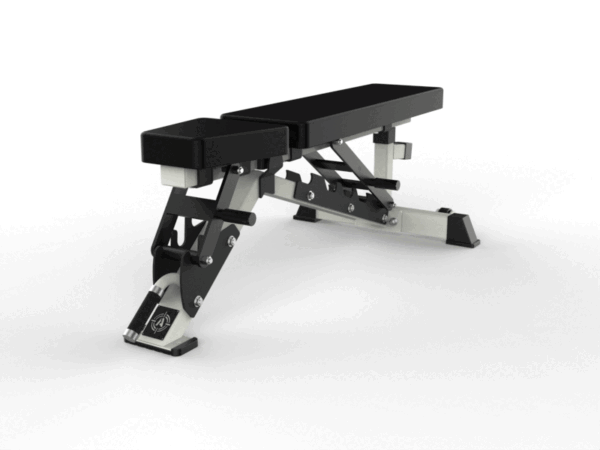
- Adjustable Bench: An adjustable bench offers flexibility through multiple backrest positions, allowing users to perform flat, incline and shoulder pressing exercises using one piece of equipment. It is particularly useful for facilities that require exercise versatility.
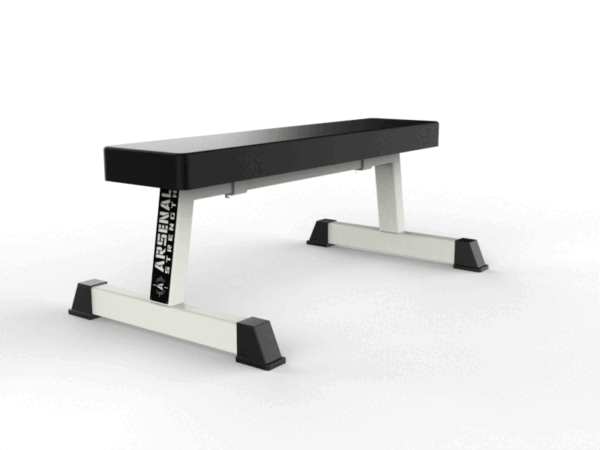
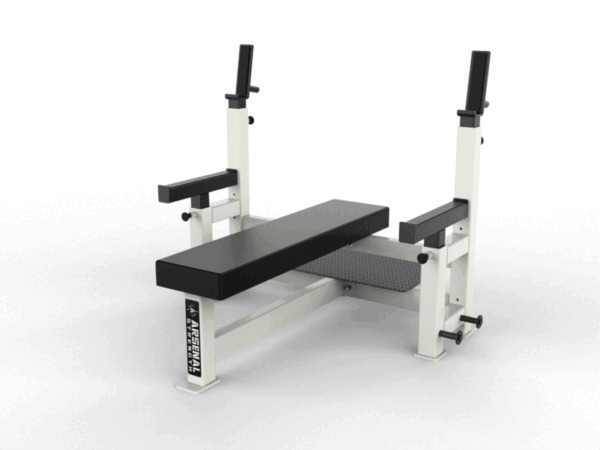
- Flat Bench: A flat bench provides a stable horizontal surface for traditional bench presses, dumbbell presses and supported rows. Its straightforward design makes it a practical addition to most strength training areas.
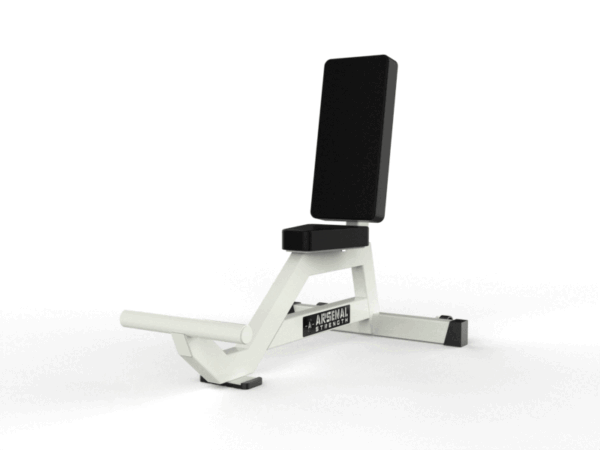
- Incline Bench: An incline bench supports angled pressing movements that place greater emphasis on the upper chest and shoulders. It is commonly used for incline dumbbell and barbell presses.
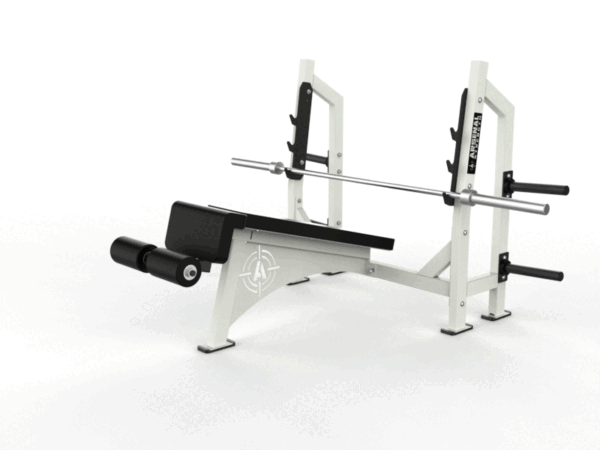
- Decline Bench: A decline bench positions the user at a downward angle, accommodating decline pressing exercises and other movements that require this particular positioning.
- Olympic Bench: An Olympic bench is designed around barbell pressing setups and may include integrated rack supports and spotter stands, depending on the model.
Each design serves a distinct purpose, making it worth considering the variety of exercises and training programmes your facility needs to accommodate.
What to Consider Before Buying a Gym Bench
Choosing a gym bench more than just choosing between adjustable and fixed options. The proper equipment should be suited to your training needs, available floor space, and expected usage.
Consider the following factors before making a purchase:
- Adjustability: An adjustable bench is suitable for facilities requiring multiple pressing angles, while a flat bench offers a straightforward option for horizontal exercises.
- Stability and Construction: Look for a well-constructed frame and a stable base that can support the intended training activities.
- Padding and Comfort: Appropriate padding and backrest dimensions contribute to user positioning and comfort during strength exercises.
- Weight Capacity: Check the manufacturer’s stated weight capacity to ensure the bench is appropriate for the intended users and training loads.
- Equipment Compatibility: An Olympic bench should complement your existing barbell and rack setup. Check dimensions and bar arrangements before purchasing.
- Space and Mobility: Consider the equipment footprint, ease of repositioning and storage requirements, particularly in facilities with limited floor space.
For commercial gyms, and versatility are critical purchase criteria. Home gym owners may prefer compact designs that are compatible with their existing dumbbells, barbells, and racks. If incline and decline pressing are part of your normal workout routine, dedicated choices are worth considering.
Why Choose Performaxx for Gym Benches?
Performaxx provides a range premium strength training equipment for commercial and home gyms. The benches area contains alternatives from well-known equipment brands such as Arsenal Strength, with designs tailored to different lifting requirements.
Before making a decision on an adjustable bench for exercise versatility or an Olympic bench for a dedicated barbell setup, consider the construction, stability, functionality, and features available. Explore the available gym benches to select equipment that fits your training needs, facility layout, and current strength equipment.
Frequently Asked Questions
Which gym bench is best for a home gym?
An adjustable bench choice for many home gyms because it allows for a variety of pressing angles and exercises. A flat bench is another choice if your training consists mostly of horizontal pressing and dumbbell workouts. Before making a decision, take into account your available space and current equipment.
Can an adjustable bench be used for incline exercises?
Yes. An adjustable bench lets users to modify the backrest angle to accommodate incline pressing actions. Certain models additionally include many seat adjustment settings for better positioning during various exercises.
What makes an Olympic bench different?
An Olympic bench is designed for barbell-based strength training and typically includes integrated rack supports. Some types have spotter stands and plate storage, making them ideal for commercial strength training facilities.
When should I choose a decline bench?
If decline pressing exercises are a frequent component of your strength training, pick a decline bench. Exercises that are different from conventional flat and incline pressing are supported by its downward angle.
Does a flat bench support more than bench presses?
Yes, Dumbbell presses, assisted rows, dumbbell pullovers, and other free weight workouts that call for a horizontal support platform can be performed on a flat bench.
. What features matter most in a commercial gym bench?
Give top priority to the frame's structure, stability, weight capacity, padding, functionality, and suitability for regular use. The bench's footprint and compatibility with the racks, barbells, and free weight equipment already in place at your facility should also be taken into account.
Showing 1–12 of 45 resultsSorted by latest
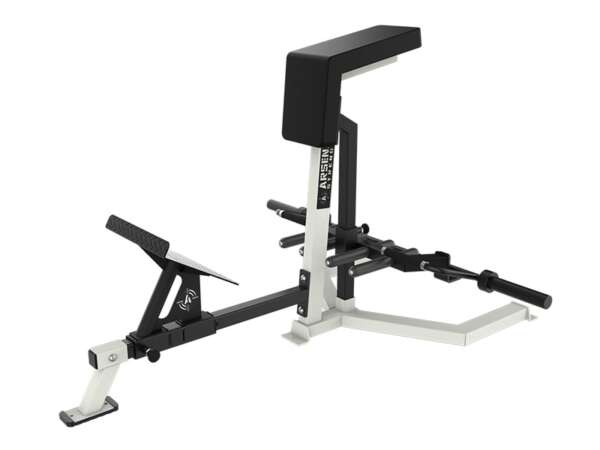
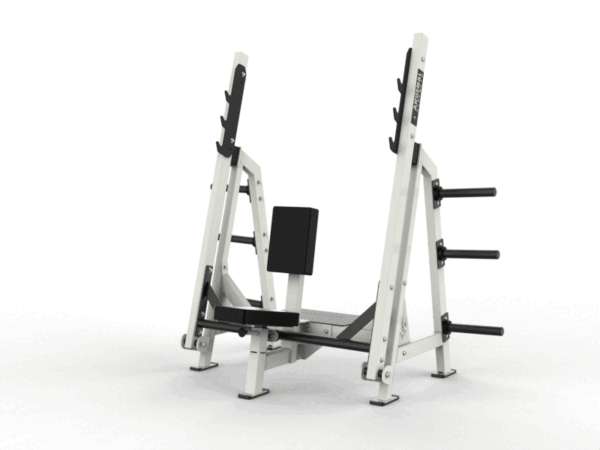
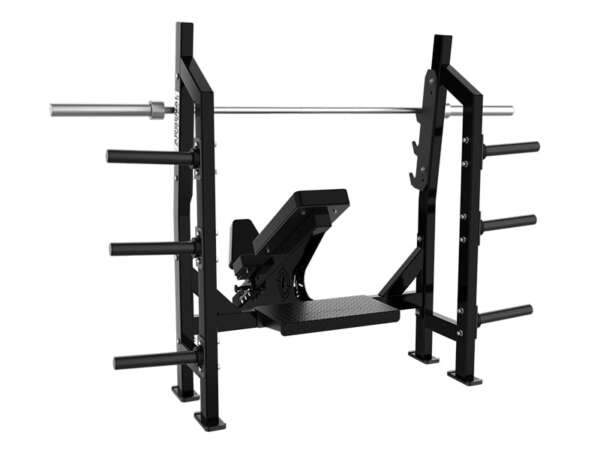
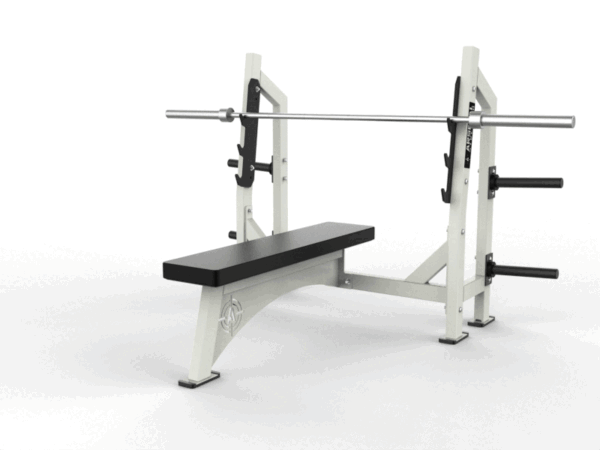
Explore Different Types of Gym Benches
Choosing the right gym is determined by the workouts, training requirements, and equipment arrangement. Understanding the distinctions between existing designs can aid in developing a more functional strength training setting.
- Adjustable Bench: An adjustable bench offers flexibility through multiple backrest positions, allowing users to perform flat, incline and shoulder pressing exercises using one piece of equipment. It is particularly useful for facilities that require exercise versatility.
- Flat Bench: A flat bench provides a stable horizontal surface for traditional bench presses, dumbbell presses and supported rows. Its straightforward design makes it a practical addition to most strength training areas.
- Incline Bench: An incline bench supports angled pressing movements that place greater emphasis on the upper chest and shoulders. It is commonly used for incline dumbbell and barbell presses.
- Decline Bench: A decline bench positions the user at a downward angle, accommodating decline pressing exercises and other movements that require this particular positioning.
- Olympic Bench: An Olympic bench is designed around barbell pressing setups and may include integrated rack supports and spotter stands, depending on the model.
Each design serves a distinct purpose, making it worth considering the variety of exercises and training programmes your facility needs to accommodate.
What to Consider Before Buying a Gym Bench
Choosing a gym bench more than just choosing between adjustable and fixed options. The proper equipment should be suited to your training needs, available floor space, and expected usage.
Consider the following factors before making a purchase:
- Adjustability: An adjustable bench is suitable for facilities requiring multiple pressing angles, while a flat bench offers a straightforward option for horizontal exercises.
- Stability and Construction: Look for a well-constructed frame and a stable base that can support the intended training activities.
- Padding and Comfort: Appropriate padding and backrest dimensions contribute to user positioning and comfort during strength exercises.
- Weight Capacity: Check the manufacturer’s stated weight capacity to ensure the bench is appropriate for the intended users and training loads.
- Equipment Compatibility: An Olympic bench should complement your existing barbell and rack setup. Check dimensions and bar arrangements before purchasing.
- Space and Mobility: Consider the equipment footprint, ease of repositioning and storage requirements, particularly in facilities with limited floor space.
For commercial gyms, and versatility are critical purchase criteria. Home gym owners may prefer compact designs that are compatible with their existing dumbbells, barbells, and racks. If incline and decline pressing are part of your normal workout routine, dedicated choices are worth considering.
Why Choose Performaxx for Gym Benches?
Performaxx provides a range premium strength training equipment for commercial and home gyms. The benches area contains alternatives from well-known equipment brands such as Arsenal Strength, with designs tailored to different lifting requirements.
Before making a decision on an adjustable bench for exercise versatility or an Olympic bench for a dedicated barbell setup, consider the construction, stability, functionality, and features available. Explore the available gym benches to select equipment that fits your training needs, facility layout, and current strength equipment.
Frequently Asked Questions
Which gym bench is best for a home gym?
An adjustable bench choice for many home gyms because it allows for a variety of pressing angles and exercises. A flat bench is another choice if your training consists mostly of horizontal pressing and dumbbell workouts. Before making a decision, take into account your available space and current equipment.
Can an adjustable bench be used for incline exercises?
Yes. An adjustable bench lets users to modify the backrest angle to accommodate incline pressing actions. Certain models additionally include many seat adjustment settings for better positioning during various exercises.
What makes an Olympic bench different?
An Olympic bench is designed for barbell-based strength training and typically includes integrated rack supports. Some types have spotter stands and plate storage, making them ideal for commercial strength training facilities.
When should I choose a decline bench?
If decline pressing exercises are a frequent component of your strength training, pick a decline bench. Exercises that are different from conventional flat and incline pressing are supported by its downward angle.
Does a flat bench support more than bench presses?
Yes, Dumbbell presses, assisted rows, dumbbell pullovers, and other free weight workouts that call for a horizontal support platform can be performed on a flat bench.
. What features matter most in a commercial gym bench?
Give top priority to the frame's structure, stability, weight capacity, padding, functionality, and suitability for regular use. The bench's footprint and compatibility with the racks, barbells, and free weight equipment already in place at your facility should also be taken into account.

